
What Is a Life Cycle Assessment (LCA)? A Complete Guide for Businesses
Understand what an LCA is, why it matters, the ISO 14040/14044 standards, and how EasyLCA helps you run one in a fraction of the time.
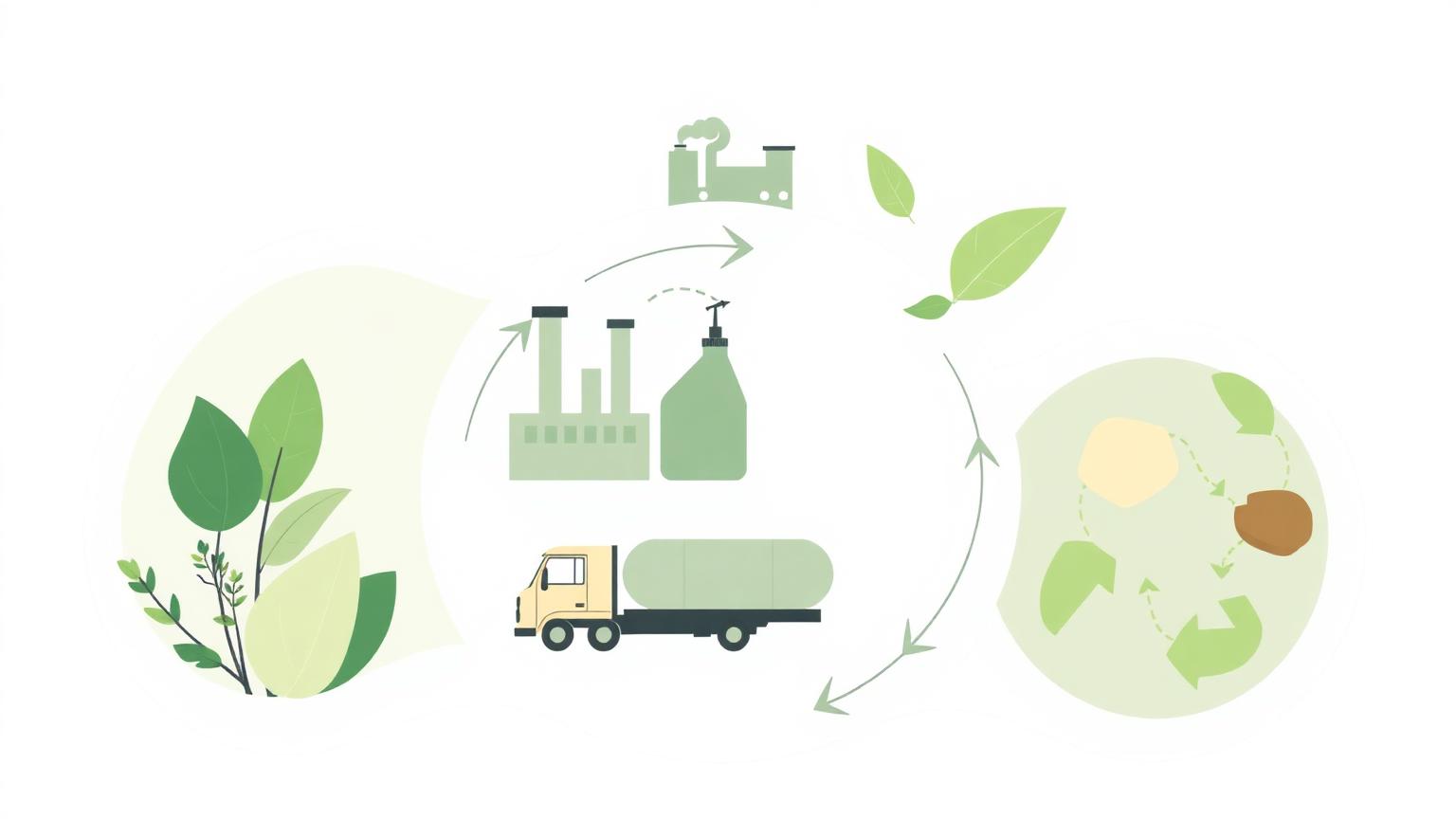
Life Cycle Assessment (LCA) is the internationally recognized method for measuring the environmental impact of a product throughout its entire life cycle. From raw material extraction and manufacturing to transportation, use, and end-of-life treatment, an LCA helps businesses understand where environmental impacts occur and how they can be reduced. ISO 14040 and ISO 14044 define the principles, framework, requirements, and guidelines used to conduct professional Life Cycle Assessments.
As sustainability regulations continue to expand across Europe and globally, LCAs have become essential for manufacturers, product companies, procurement teams, and sustainability professionals seeking credible environmental data. See how EasyLCA works or book a demo to explore the platform.
What Does LCA Mean?
LCA stands for Life Cycle Assessment.
A Life Cycle Assessment is a scientific method used to quantify the environmental impacts associated with a product, process, or service across its entire life cycle. This includes all relevant inputs and outputs such as raw materials, energy consumption, transportation, emissions, waste generation, and resource use.
Unlike simple carbon footprint calculations that focus only on greenhouse gas emissions, a full LCA evaluates multiple environmental impact categories, providing a more complete picture of environmental performance.
LCA vs Carbon Footprint: What's the Difference?
Many people use the terms interchangeably, but they are not the same.
A carbon footprint focuses only on greenhouse gas emissions and is typically reported in kilograms of CO₂-equivalents. A Life Cycle Assessment evaluates multiple environmental impact categories and provides a broader understanding of environmental performance.
Think of a carbon footprint as one environmental indicator within a complete Life Cycle Assessment.
Why Is Life Cycle Assessment Important?
Many environmental impacts occur outside a company's direct operations. For example, a product's largest environmental impact may come from:
- Raw material extraction
- Supplier manufacturing processes
- Transportation
- Packaging
- Energy consumption during use
- End-of-life disposal or recycling
Without an LCA, businesses often focus on the wrong improvement areas. A Life Cycle Assessment helps organizations:
- Identify environmental hotspots
- Compare design alternatives
- Improve product sustainability
- Support eco-design initiatives
- Meet customer requirements
- Prepare for regulations such as Digital Product Passports (DPP), Environmental Product Declarations (EPDs), and packaging regulations
- Improve supply chain transparency
The Product Life Cycle Explained
A typical product life cycle includes several stages:
Raw Material Extraction
The extraction and processing of materials such as steel, aluminum, plastics, wood, textiles, or chemicals.
Manufacturing
Production processes, energy consumption, waste generation, and factory operations.
Transportation
Movement of materials and products between suppliers, manufacturers, warehouses, and customers.
Use Phase
Energy use, maintenance, repairs, consumables, and operational impacts during the product's lifetime.
End of Life
Recycling, reuse, incineration, landfill, or other disposal methods.
Depending on the goal of the study, an LCA may include all stages ("cradle-to-grave") or only selected stages such as manufacturing ("cradle-to-gate").
The Four Phases of an ISO-Compliant LCA
According to ISO 14040 and ISO 14044, every Life Cycle Assessment consists of four interconnected phases.
1. Goal and Scope Definition
The purpose of the study is defined. This includes:
- What product is being assessed
- Intended audience
- System boundaries
- Functional unit
- Assumptions and limitations
2. Life Cycle Inventory (LCI)
Data collection begins. Inputs and outputs are quantified, including:
- Materials
- Energy
- Water
- Transportation
- Emissions
- Waste
This stage often represents the largest data collection effort.
3. Life Cycle Impact Assessment (LCIA)
Inventory data is translated into environmental impacts. Common impact categories include:
- Climate change
- Resource depletion
- Acidification
- Eutrophication
- Water use
- Human toxicity
- Ecotoxicity
4. Interpretation
Results are analyzed to identify environmental hotspots, uncertainties, improvement opportunities, and conclusions. The final output supports informed decision-making and environmental improvements.
What Is ISO 14040 and ISO 14044?
ISO 14040 provides the principles and framework for conducting Life Cycle Assessments. ISO 14044 specifies the detailed requirements and guidelines that practitioners follow when performing an LCA.
Together, these standards create a globally recognized methodology that ensures consistency, transparency, and credibility. A professional LCA should always be conducted in accordance with ISO 14040 and ISO 14044.
What Data Is Needed for an LCA?
The quality of an LCA depends heavily on the quality of the data used. Typical inputs include:
- Bill of Materials (BOM)
- Supplier information
- Material quantities
- Manufacturing processes
- Energy consumption
- Transportation distances
- Packaging composition
- End-of-life assumptions
Many organizations combine supplier-specific data with trusted environmental databases to build accurate assessments. EasyLCA automates much of this work directly from your Bill of Materials.
Who Needs Life Cycle Assessments?
Life Cycle Assessments are increasingly relevant for:
Manufacturers
To improve products and meet customer sustainability requirements.
Product Companies
To understand environmental impacts and prepare for future regulations.
Procurement Teams
To evaluate suppliers and sourcing alternatives.
Sustainability Professionals
To support reporting, strategy, and environmental improvement initiatives.
Companies Preparing for DPPs and EPDs
Life Cycle Assessments provide much of the environmental foundation needed for Digital Product Passports and Environmental Product Declarations. Learn more in the EasyLCA Academy.
How EasyLCA Simplifies Life Cycle Assessments
Traditional Life Cycle Assessments often require specialist expertise, significant manual data collection, and weeks of work. EasyLCA is designed to make professional Life Cycle Assessments accessible for small and medium-sized businesses — see pricing or get in touch.
With EasyLCA, organizations can:
- Upload a Bill of Materials
- Automatically identify materials and datasets
- Calculate product impacts
- Collect supplier information
- Build a trusted dataset library
- Generate ISO-aligned Life Cycle Assessments faster than traditional methods
The result is a practical, scalable way to understand product impacts without the complexity normally associated with LCA software. Ready to try it? Book a demo.
Frequently Asked Questions About Life Cycle Assessments
Ready to run your first LCA?
See how EasyLCA turns a Bill of Materials into an ISO-aligned Life Cycle Assessment in minutes.