
The Value of an LCA – Even Without Perfect Data
Start with the product data you already have. See how a first LCA can give insights, prioritise data collection and lay the foundation for continuous improvement.
Many manufacturing companies put off their first life cycle assessment because their product data doesn't feel complete enough. Supplier information is missing, material specifications vary and the bill of materials lives in several systems.
You don't have to wait for perfect data to get started. A first assessment can give useful insights, show where the data gaps are and help you prioritise what to improve. At the same time, it's important to be clear that how reliable the conclusions are depends on the quality and coverage of the underlying data.
Short answer
A first LCA based on the data you already have — supplemented with representative datasets and documented assumptions — shows which parts of the product probably matter most and which information is worth collecting first. It is a starting point to refine, not a final answer.
1. Start with what you already have
Most companies have more useful information than they think. Common starting points are:
- Bills of materials (BOMs) with components and quantities
- Product and component weights
- Material specifications and drawings
- Supplier documentation, declarations and data sheets
Where specific data is missing, the gaps can be filled with representative datasets and clearly documented assumptions. What matters is that you can see which values are measured, which come from suppliers and which are estimates. Read more about going from BOM to LCA.
2. Understand what drives the result
An initial LCA can indicate which materials, components or processes contribute most to the calculated environmental impact. That doesn't give you every answer, but it shows where it pays to dig deeper — and where improvement work is likely to make the biggest difference.
3. Collect the right data first
Not all data gaps are equally important. A missing value for a small fastener rarely changes the overall picture, while an uncertain assumption about a heavy main component can. Use the assessment to identify where more accurate information could materially change the result.
That makes supplier follow-up more focused: instead of sending broad questionnaires to everyone, you can ask the right suppliers for the right information.
Example: an industrial pump
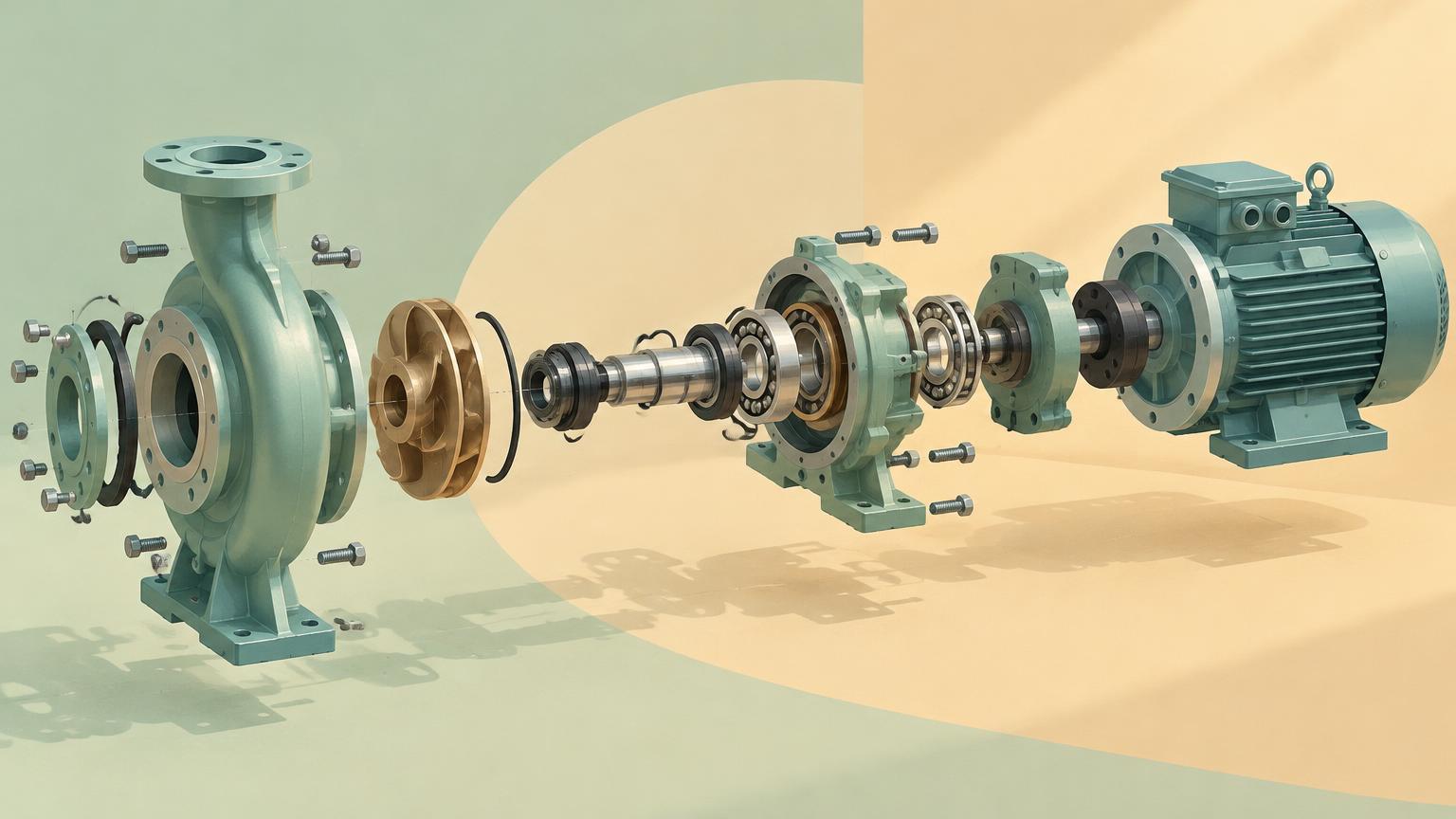
Imagine an industrial pump made up of an electric motor, a pump housing and a number of smaller components such as impeller, shaft, bearings, seals and fasteners. The company has a BOM with weights and materials, but supplier-specific data is only available for a few parts.
A first assessment is built from the BOM, with representative datasets for the materials and processes where specific data is missing. The result then shows which parts appear to weigh most heavily in the calculation — for example whether the motor or the housing stands out — and how sensitive the result is to the assumptions behind them.
From there, the company can decide what to investigate first: perhaps the actual material composition and manufacturing process of the housing, or data from the motor supplier. Small components with little influence on the result can keep their representative values for now.
4. Build a foundation that improves over time
An LCA doesn't have to be a one-off project. Product structures, datasets and supplier information can be reused and refined for new product variants. Update the assessment as better information becomes available, and keep assumptions and sources traceable so you can always see what changed and why.
What a first assessment is — and isn't
An initial assessment is a working tool for understanding and prioritising. It does not automatically constitute a verified EPD, and it is not enough on its own to substantiate every external environmental claim. Those require the relevant standards and rules to be followed, sufficient data quality and, in many cases, independent verification. A well-documented first assessment, however, is a good foundation for getting there.
5. How EasyLCA helps
EasyLCA helps you get useful work done with the data you already have:
- Structure product data and BOMs, even when they come from different files and formats
- Connect the underlying information to LCA calculations using datasets from your defined library
- Keep sources, assumptions and method choices traceable for review
- Update and refine the assessment as better supplier data arrives
Start with your existing product data
Want to see what a first assessment could look like for one of your products? Book a demo and we'll show how EasyLCA can help you get started with the product data you already have.
Frequently Asked Questions
Ready to run your first LCA?
See how EasyLCA turns a Bill of Materials into an ISO-aligned Life Cycle Assessment in minutes.