
A briefing about digital product passport (DPP)
Understand what a Digital Product Passport is, what it contains under ESPR, how it relates to LCA, and how manufacturers can prepare with EasyLCA.
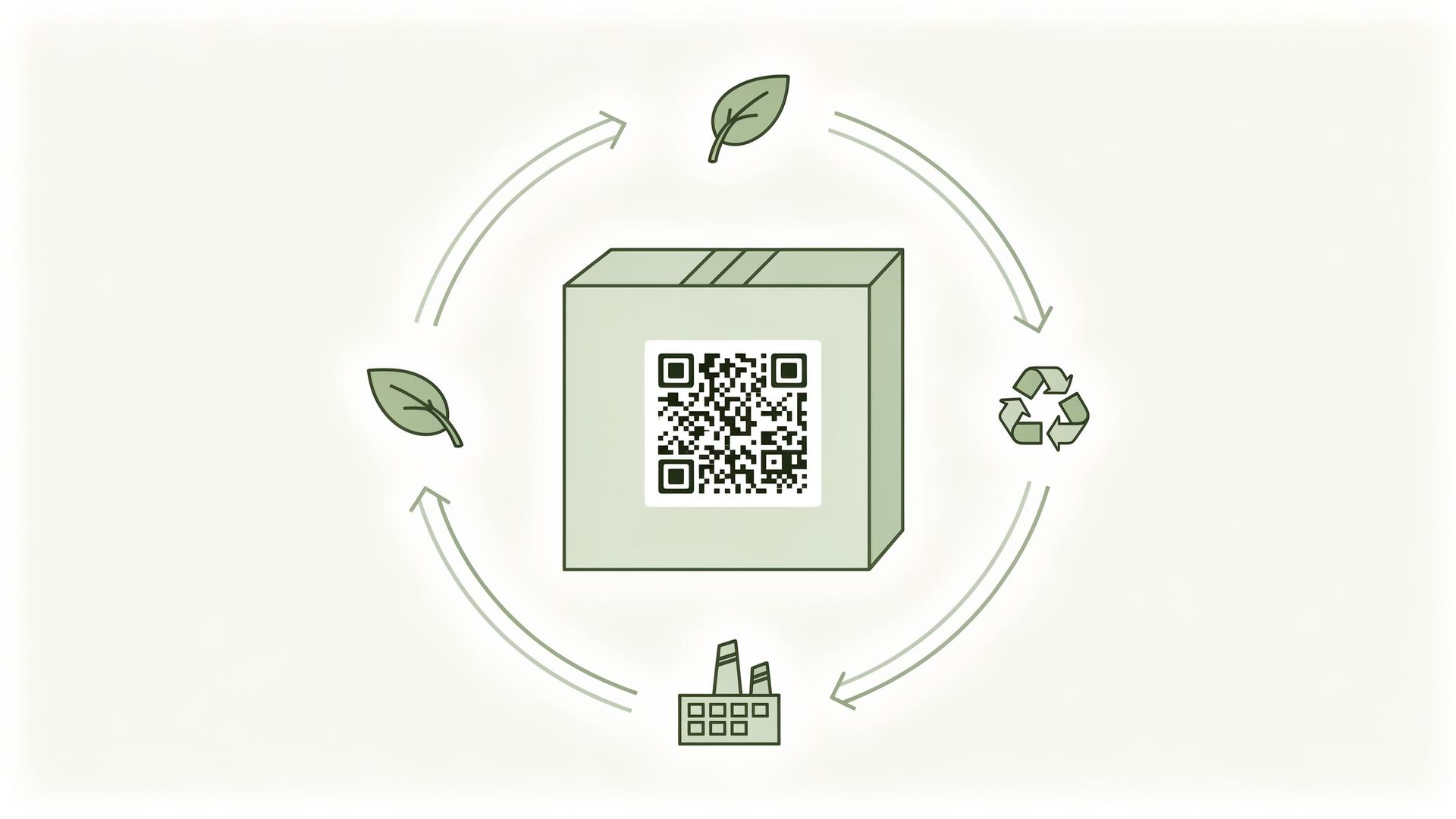
Digital Product Passports (DPPs) are set to become one of the most significant product transparency requirements introduced by the European Union. Designed to improve traceability, sustainability, and circularity, DPPs will provide detailed information about products throughout their entire lifecycle.
For manufacturers, importers, and product companies, understanding Digital Product Passports is becoming increasingly important as new regulations emerge under the EU Ecodesign for Sustainable Products Regulation (ESPR).
This guide explains what a Digital Product Passport is, why it matters, what information it contains, and how businesses can prepare. See how EasyLCA helps or book a demo.
What Is a Digital Product Passport?
A Digital Product Passport (DPP) is a digital record that stores and shares key information about a product throughout its lifecycle.
The goal is to make product information accessible to different stakeholders, including:
- Customers
- Manufacturers
- Suppliers
- Distributors
- Repair providers
- Recyclers
- Regulatory authorities
A DPP creates a single source of truth for product information, helping businesses improve transparency and enabling more sustainable decision-making.
Why Are Digital Product Passports Being Introduced?
Many products today lack accessible and standardized information about:
- Materials
- Environmental impacts
- Repairability
- Recyclability
- Chemical content
- Supply chain origins
This makes it difficult for businesses, consumers, and regulators to understand a product's sustainability performance.
Digital Product Passports are being introduced to support:
- Circular economy initiatives
- Sustainable product design
- Product traceability
- Resource efficiency
- Repair and reuse
- Recycling and waste reduction
- Regulatory compliance
The objective is to ensure products remain valuable for longer while reducing environmental impacts across supply chains.
What Regulation Introduces Digital Product Passports?
Digital Product Passports are being introduced through the Ecodesign for Sustainable Products Regulation (ESPR).
ESPR establishes a framework that will require product-specific information to be made available digitally for selected product categories sold within the European Union.
Over time, DPP requirements are expected to expand across multiple industries and product groups.
What Information Will a Digital Product Passport Contain?
The exact requirements vary by product category, but a DPP may include information such as:
Product Identification
- Product name
- Product model
- SKU or product number
- Manufacturer information
- Product category
Material Composition
- Material breakdown
- Product weight
- Critical raw materials
- Recycled content
- Material origins
Environmental Information
- Carbon footprint
- Life Cycle Assessment (LCA) results
- Environmental impact indicators
- Resource consumption
Supply Chain Information
- Supplier information
- Manufacturing locations
- Country of origin
- Traceability records
Circularity Information
- Repairability
- Disassembly instructions
- Reuse guidance
- Recyclability information
Compliance Documentation
- Declarations of conformity
- Test reports
- Certifications
- Regulatory documentation
A DPP may also contain supporting documents, images, manuals, and technical specifications.
How Do Digital Product Passports Work?
Most Digital Product Passports will be accessed through a QR code, serial number, RFID tag, or other digital identifier linked to the product.
When scanned, users can access relevant information depending on their role and permissions. For example:
Customers May Access
- Sustainability information
- Product origin
- Repair instructions
- Environmental impacts
Regulators May Access
- Compliance documentation
- Technical data
- Product declarations
Recyclers May Access
- Material composition
- Hazardous substance information
- Disassembly guidance
This allows the right information to be available to the right stakeholder at the right time.
What Is the Relationship Between DPP and LCA?
Life Cycle Assessments (LCAs) and Digital Product Passports are closely connected.
A DPP often includes environmental information generated through an LCA, such as:
- Carbon footprint
- Environmental impacts
- Resource use indicators
- Sustainability metrics
In many cases, companies will need reliable LCA data before they can create meaningful Digital Product Passports. This is why product sustainability data management is becoming a critical capability for manufacturers.
Which Industries Will Need Digital Product Passports?
The European Commission is expected to introduce DPP requirements gradually across multiple sectors. Priority product categories include:
- Batteries
- Electronics
- Textiles
- Furniture
- Construction products
- Industrial equipment
- Consumer goods
Additional product categories are expected to follow as implementation progresses.
What Are the Benefits of Digital Product Passports?
Although DPPs are often discussed as a regulatory requirement, they also provide business value.
Improved Transparency
Customers increasingly expect visibility into product sustainability and sourcing.
Better Supplier Data
DPP initiatives often drive better collaboration with suppliers and improve data quality.
Faster Compliance
Centralized product information simplifies regulatory reporting and documentation.
Stronger Customer Trust
Transparent products help build credibility with customers, investors, and procurement teams.
Future-Proof Product Data
Companies that establish structured product information today will be better prepared for future regulations.
Challenges of Implementing Digital Product Passports
Many businesses currently store product information across multiple systems, spreadsheets, suppliers, and departments. Common challenges include:
- Missing supplier information
- Inconsistent product data
- Limited traceability
- Lack of environmental data
- Manual documentation processes
Building a scalable product information strategy is often the first step toward DPP readiness.
How EasyLCA Supports Digital Product Passports
EasyLCA helps manufacturers build the product transparency foundation required for Digital Product Passports. With EasyLCA, businesses can:
- Upload Bills of Materials (BOMs)
- Build structured product compositions
- Collect supplier information
- Store compliance documents
- Perform Life Cycle Assessments
- Manage product sustainability data
- Generate shareable product transparency profiles
By bringing product data, environmental impacts, supplier information, and compliance documentation together in a single platform, organizations can prepare for future DPP requirements more efficiently. Book a demo or view pricing to learn more.
Frequently Asked Questions About Life Cycle Assessments
Ready to run your first LCA?
See how EasyLCA turns a Bill of Materials into an ISO-aligned Life Cycle Assessment in minutes.