
What Data Needs to Be Included in a Digital Product Passport?
What data does a Digital Product Passport require? Learn about product identifiers, materials, environmental data, compliance information and how to prepare your product data for DPP.
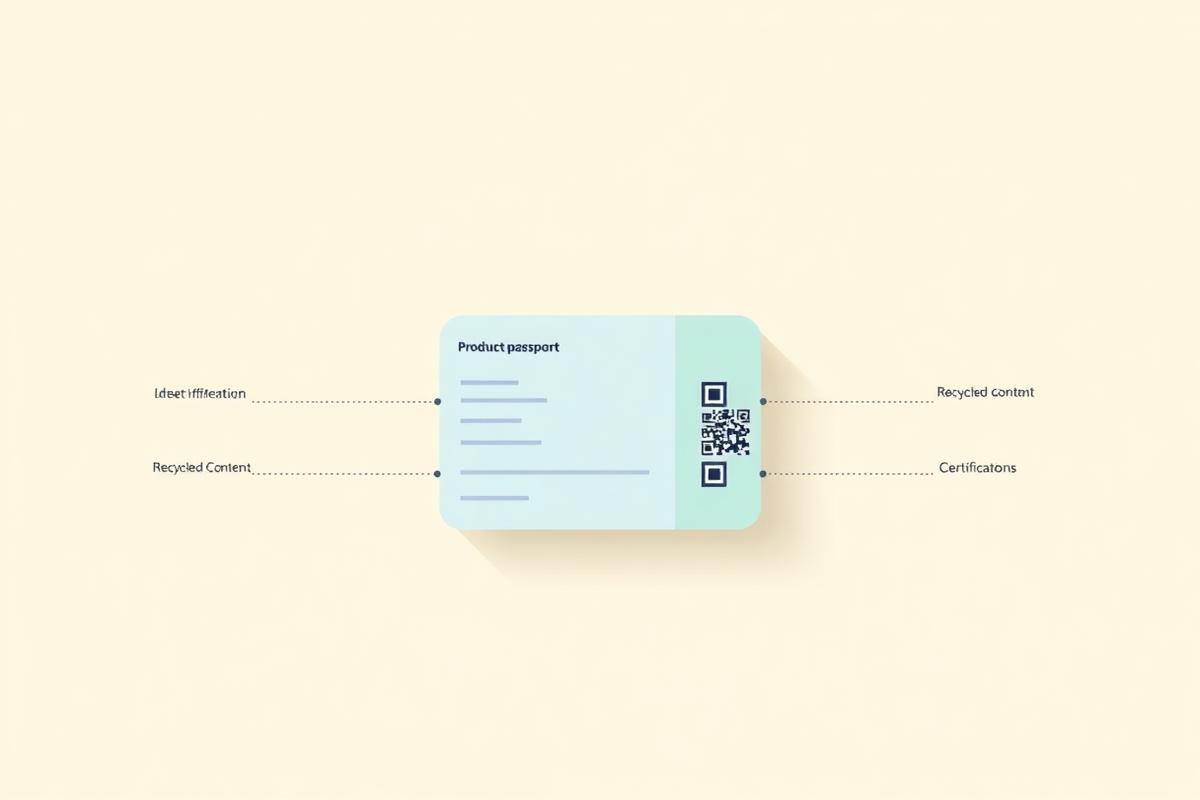
A Digital Product Passport (DPP) is a structured digital record containing information about a product and making relevant data accessible throughout its lifecycle.
Under the EU Ecodesign for Sustainable Products Regulation (ESPR), there is not one universal list of DPP data that applies identically to every product. The exact requirements will be defined for different product groups.
However, companies can already begin preparing the product data infrastructure that DPP will require. If you are new to the concept, start with A briefing about digital product passport (DPP).
What information can a Digital Product Passport contain?
Depending on the applicable product rules, a DPP may contain information such as:
- Product identification
- Manufacturer or responsible economic operator
- Product model, batch or item information
- Materials and product composition
- Environmental performance
- Durability and repair information
- Recycled content
- Substances of concern
- Compliance documentation
- Instructions for use
- Recycling and end-of-life information
- Relevant certificates and technical documentation
The exact required information will depend on the product category and applicable EU rules.
Product identification
Every Digital Product Passport needs to be connected to a product.
Under ESPR, the DPP is connected through a data carrier to a persistent unique product identifier.
Depending on the applicable requirements, the passport may exist at:
- Model level
- Batch level
- Individual item level
This distinction is important when designing DPP infrastructure.
Material and composition data
Product composition is likely to become one of the most valuable datasets within product sustainability systems.
Companies should therefore begin structuring information such as:
- Material — for example aluminium
- Amount — for example 4.2 kg
- Supplier — for example Supplier A
- Origin — for example Sweden
- Recycled content — for example 65%
- Dataset — for example aluminium, recycled
A structured Bill of Materials (BOM) can become a foundation for LCA calculations, compliance assessments and future Digital Product Passports. See how EasyLCA structures product data.
Environmental data
DPP requirements can also connect product information with environmental performance.
Relevant information may include indicators such as:
- Carbon footprint
- Resource consumption
- Recycled content
- Durability
- Repairability
- Recyclability
Life Cycle Assessment can therefore become an important source of environmental information connected to a product.
Supplier data
Manufacturers rarely possess all necessary product information internally.
Critical information often exists within the supply chain. Examples include:
- Material composition
- Manufacturing location
- Recycled content
- Environmental declarations
- Certifications
- Chemical information
- Emissions data
Building repeatable supplier-data collection processes is therefore an important part of DPP readiness.
Does all DPP data have to be public?
No.
A Digital Product Passport should not be understood as one public webpage containing every piece of product information.
Different actors may receive different access rights. Consumers, manufacturers, authorities, customs organisations, recyclers and other actors may need access to different information.
DPP platforms therefore need to support data access and permissions, not simply public product pages.
What format does DPP data need to use?
ESPR establishes several important technical principles.
DPP information should be based on open standards and use interoperable formats. Where appropriate, information should also be:
- Machine-readable
- Structured
- Searchable
- Transferable
This is why companies should avoid treating DPP purely as a PDF or static webpage project. The underlying product information should be structured data.
How should companies prepare?
A practical starting point is to create a central product data structure containing:
- Product identifiers
- Product versions
- BOM and material composition
- Supplier information
- Manufacturing locations
- Environmental datasets
- Compliance documents
- Certificates
- LCA results
- Data access rules
Once this foundation exists, the same data can support multiple sustainability and compliance use cases.
DPP data example
Consider an industrial charging station. Its product record could contain:
Product
- Model: ChargePoint X200
- Product ID: CP-X200
Composition
- 12 kg steel
- 4 kg aluminium
- 2 kg electronics
- 1.5 kg plastics
Environmental information
- Product carbon footprint
- Recycled material content
- Manufacturing location
Documentation
- Declaration of Conformity
- Technical documentation
- Environmental documentation
Lifecycle
- Repair instructions
- Spare parts
- Recycling instructions
Instead of storing this information across spreadsheets, PDFs and emails, it can be connected to one structured product profile.
The key takeaway
Preparing for Digital Product Passports is primarily a product data challenge.
Companies that begin structuring product identifiers, BOMs, supplier information, environmental data and compliance documents today will be better positioned as product-specific DPP requirements become applicable.
Instead of building separate datasets for every new sustainability requirement, companies can create one reliable product-data foundation and reuse it across LCA, DPP and other compliance workflows. Book a demo to see how it works in EasyLCA.
Frequently Asked Questions About Life Cycle Assessments
Ready to run your first LCA?
See how EasyLCA turns a Bill of Materials into an ISO-aligned Life Cycle Assessment in minutes.